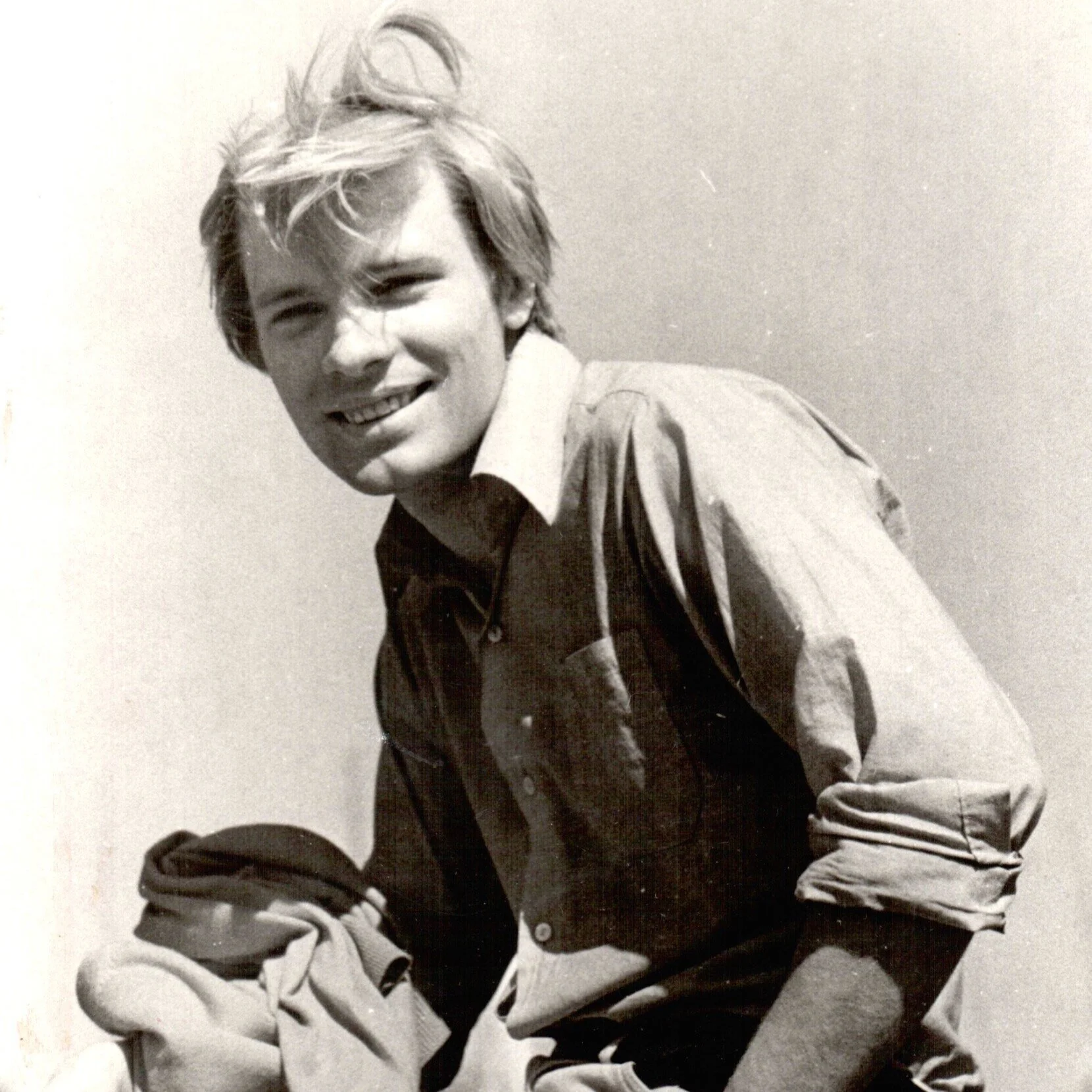
His life
He could not be decided for
The state chose his roles. After his divorce, the leading roles stopped. He lost his country and his career, and he kept himself.
This is his life in the order the memoir tells it.
In the memoir's order
Chapters
- 01
Stories from my childhood
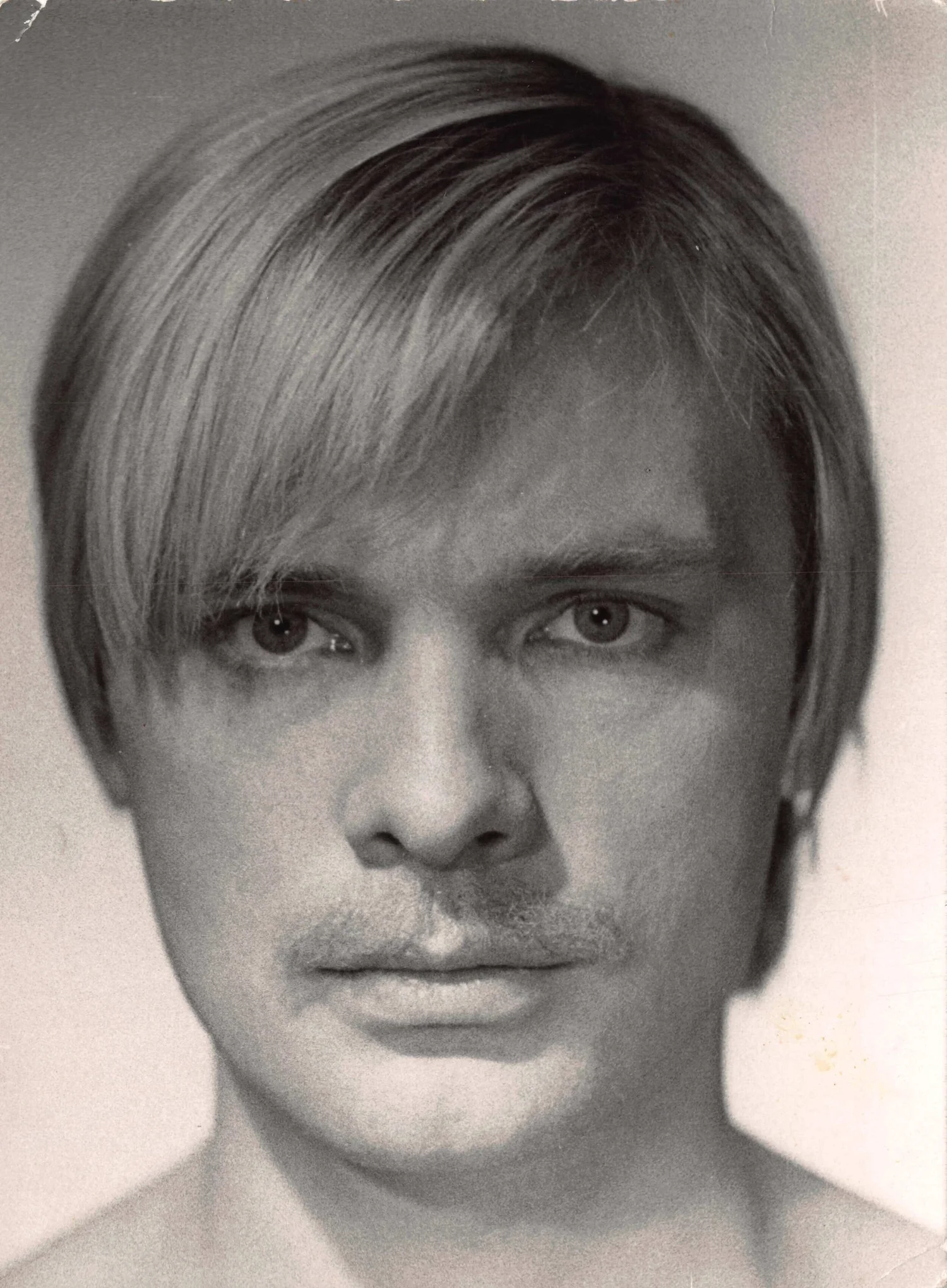
Born on June 11, 1943, just outside Moscow, in the middle of a war. From 1951 his aunt Nyuta raised him in Alma-Ata, Kazakhstan. Her rule: "Whatever happens, you must always count on yourself and not on the state."
- 02
Portrait of the artist as a young man
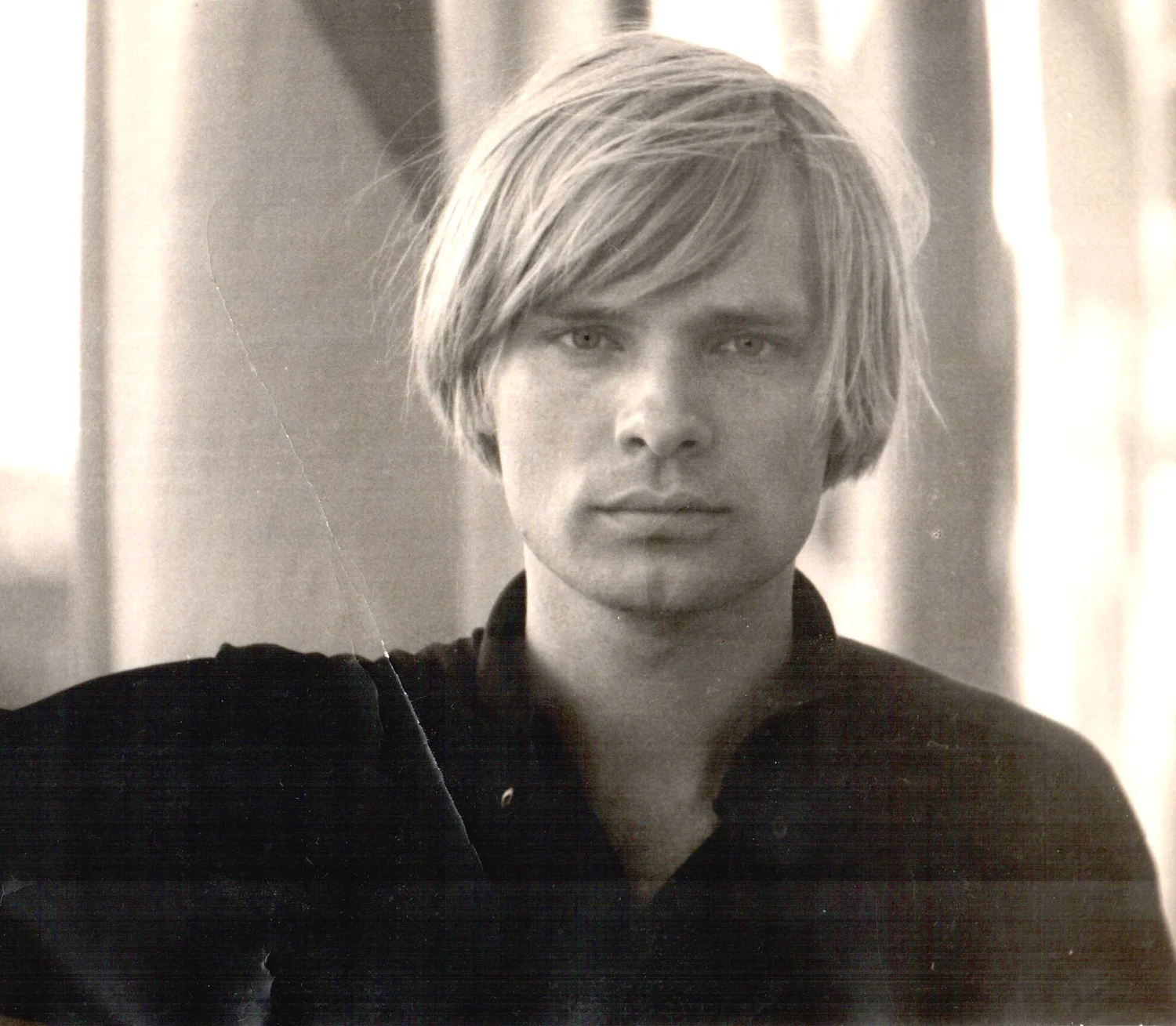
At 14 he walked into Mosfilm and asked to act. They told him he needed connections. He went to work on the Ostankino TV tower and waited.
- 03
My first roles
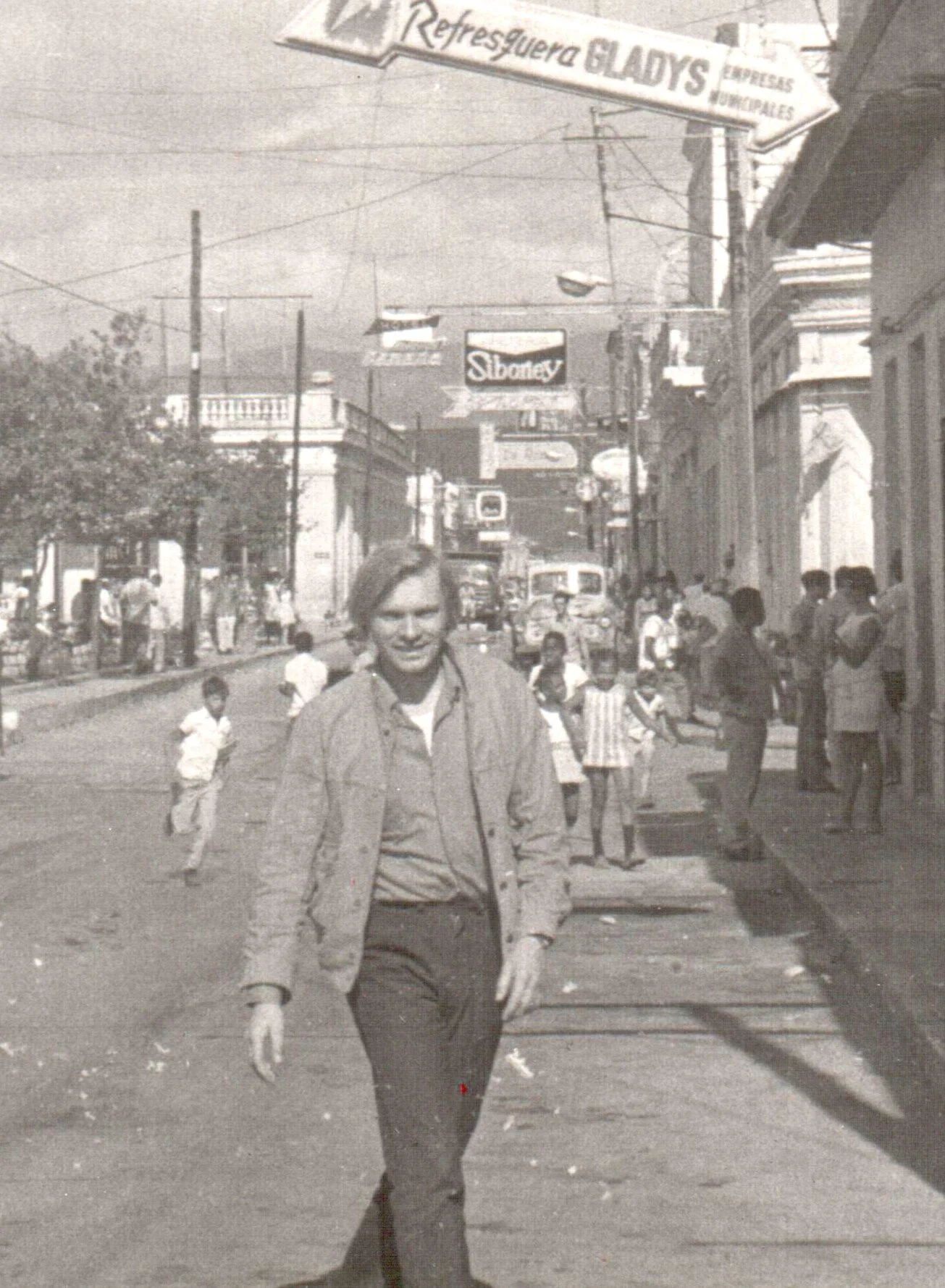
In 1962 six places opened at VGIK, the state film school. Over 400 people auditioned. He got one.
- 04
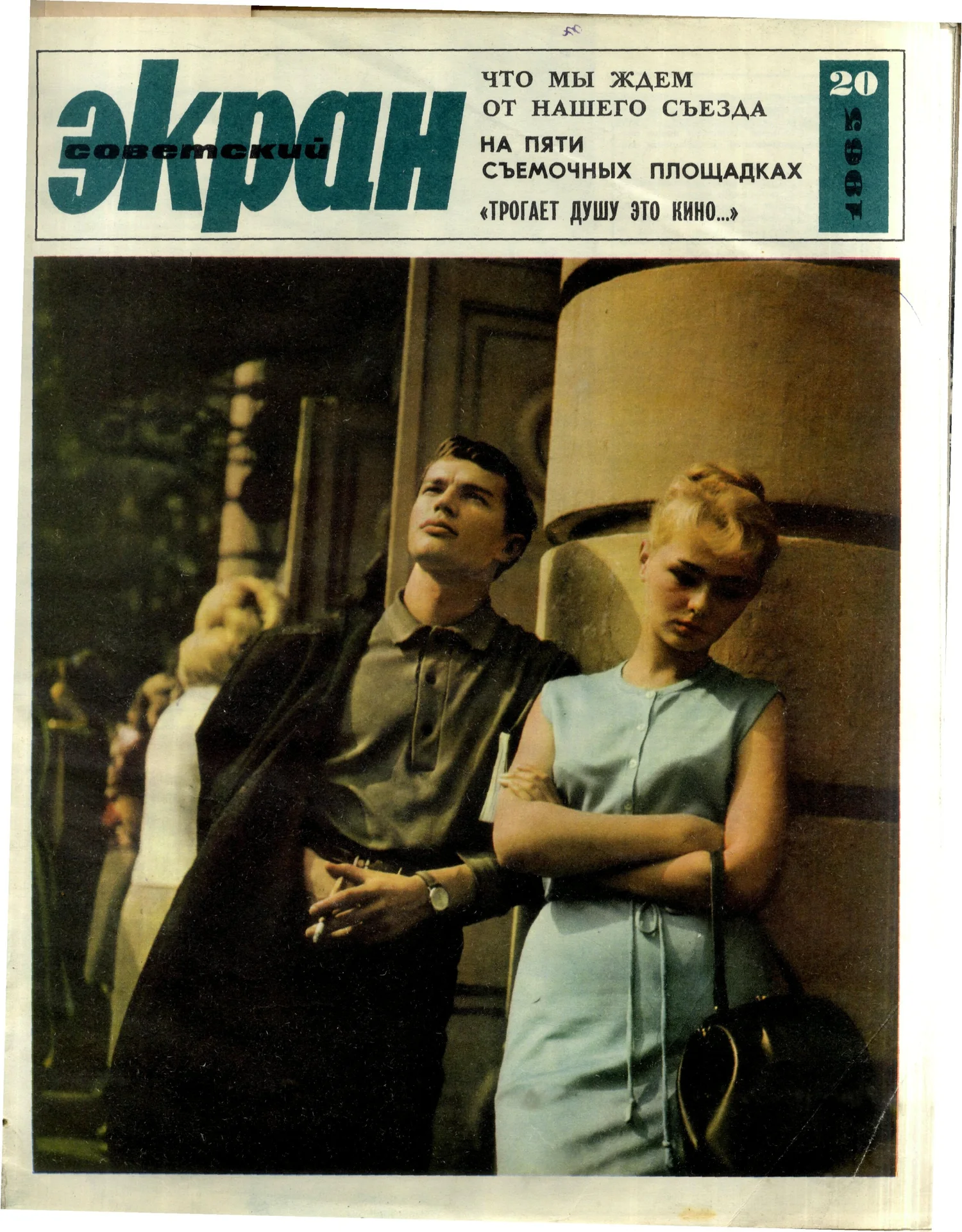
A star is born
In 1967 The Tale of Tsar Saltan sold over 26 million tickets. He played the prince, Tsarevich Gvidon.
- 05
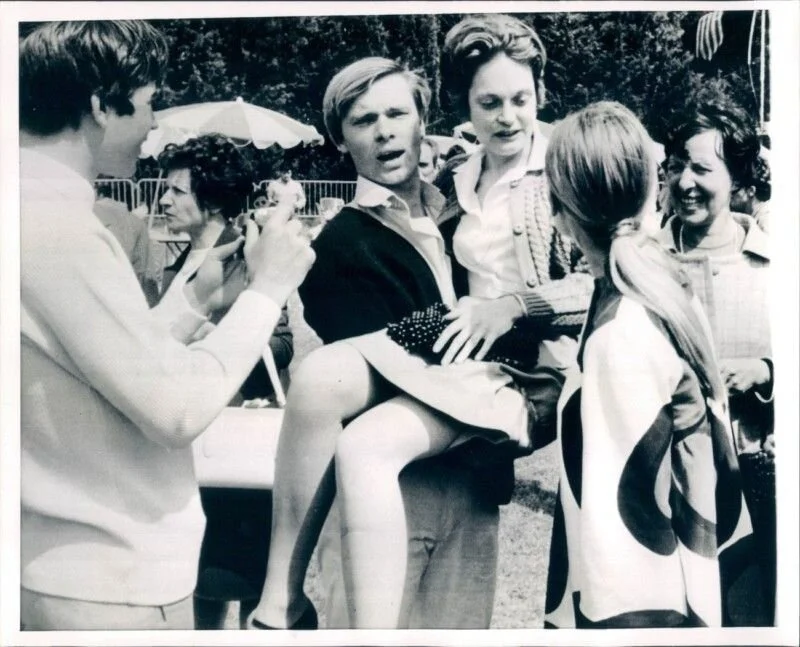
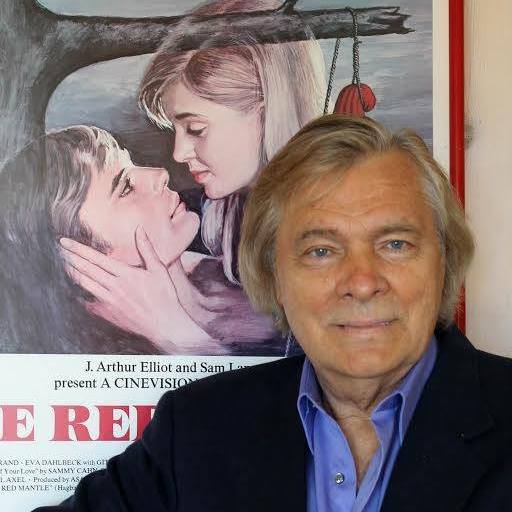
The Red Mantle
A Danish director cast him as Hagbard in a Scandinavian saga. In May 1967 the film went to Cannes in competition. Soviet actors were rarely allowed to work abroad.
- 06
No small parts
The Battle of Neretva, with Yul Brynner and Orson Welles. Waterloo, for Sergei Bondarchuk. Then the state turned down a seven-year contract from Dino De Laurentiis for him.
- 07
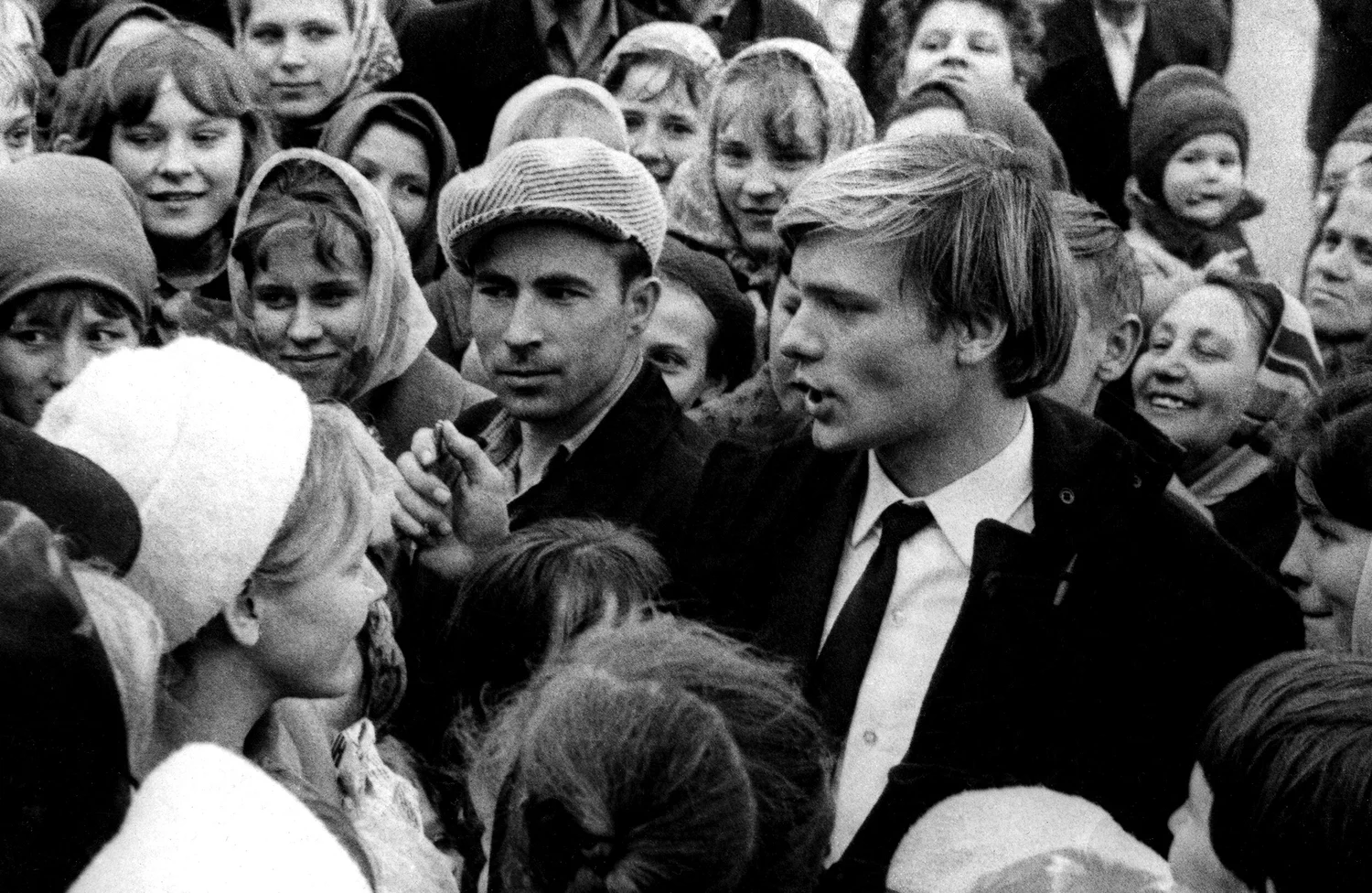
On a roll
Gentlemen of Fortune, one of the most popular Soviet comedies. In 1973 The Headless Horseman, the first Soviet western, and his most popular film at home.
- 08
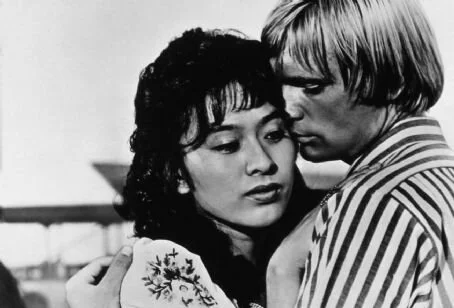
Moscow, my love
In 1974 Aleksandr Mitta cast him opposite the Japanese star Komaki Kurihara.
- 09
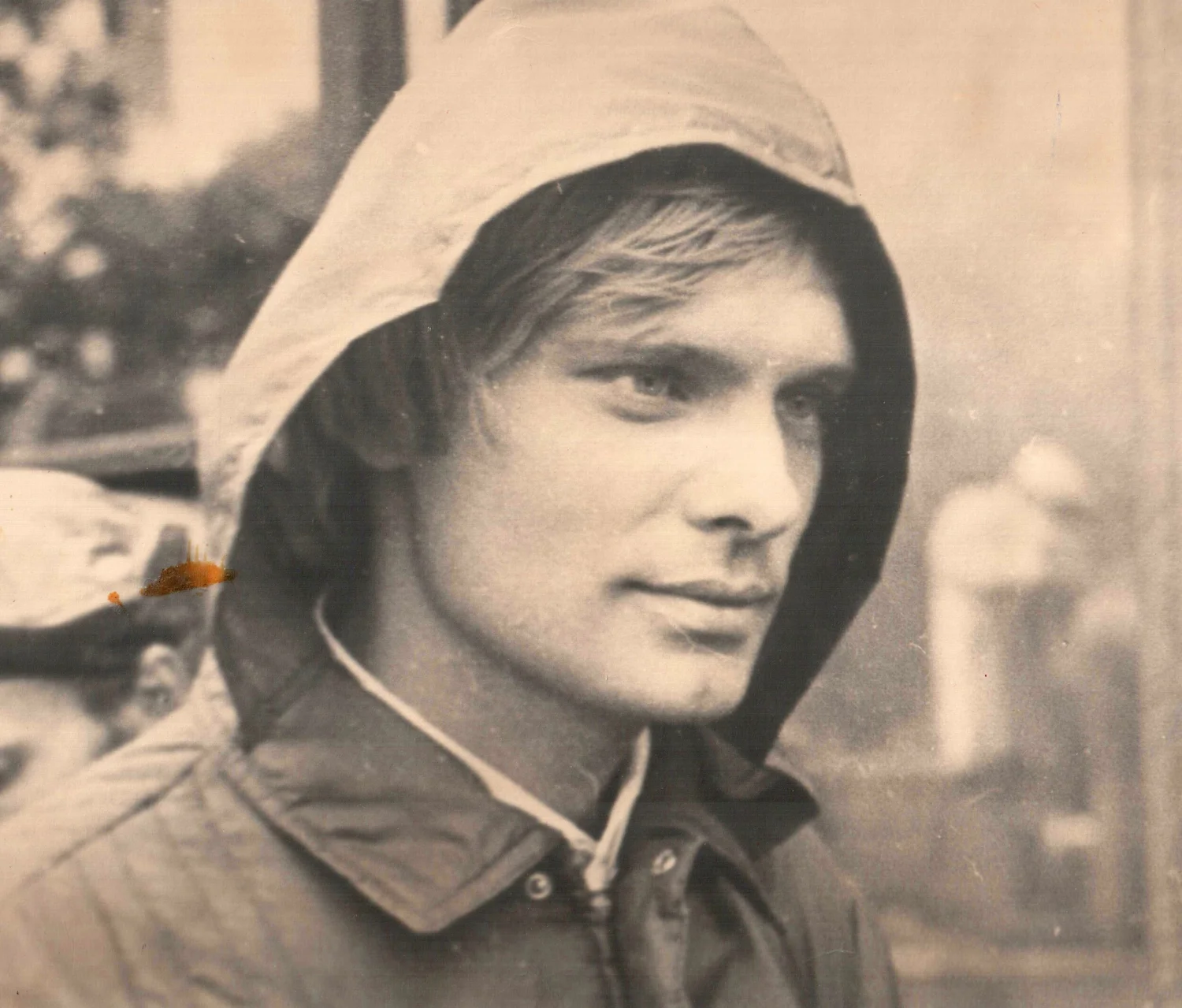
Trouble in paradise
After his divorce a Moscow court ruled against him. The judge told him: "There are laws and there are telephone calls." For five years no one cast him in a leading role.
- 10
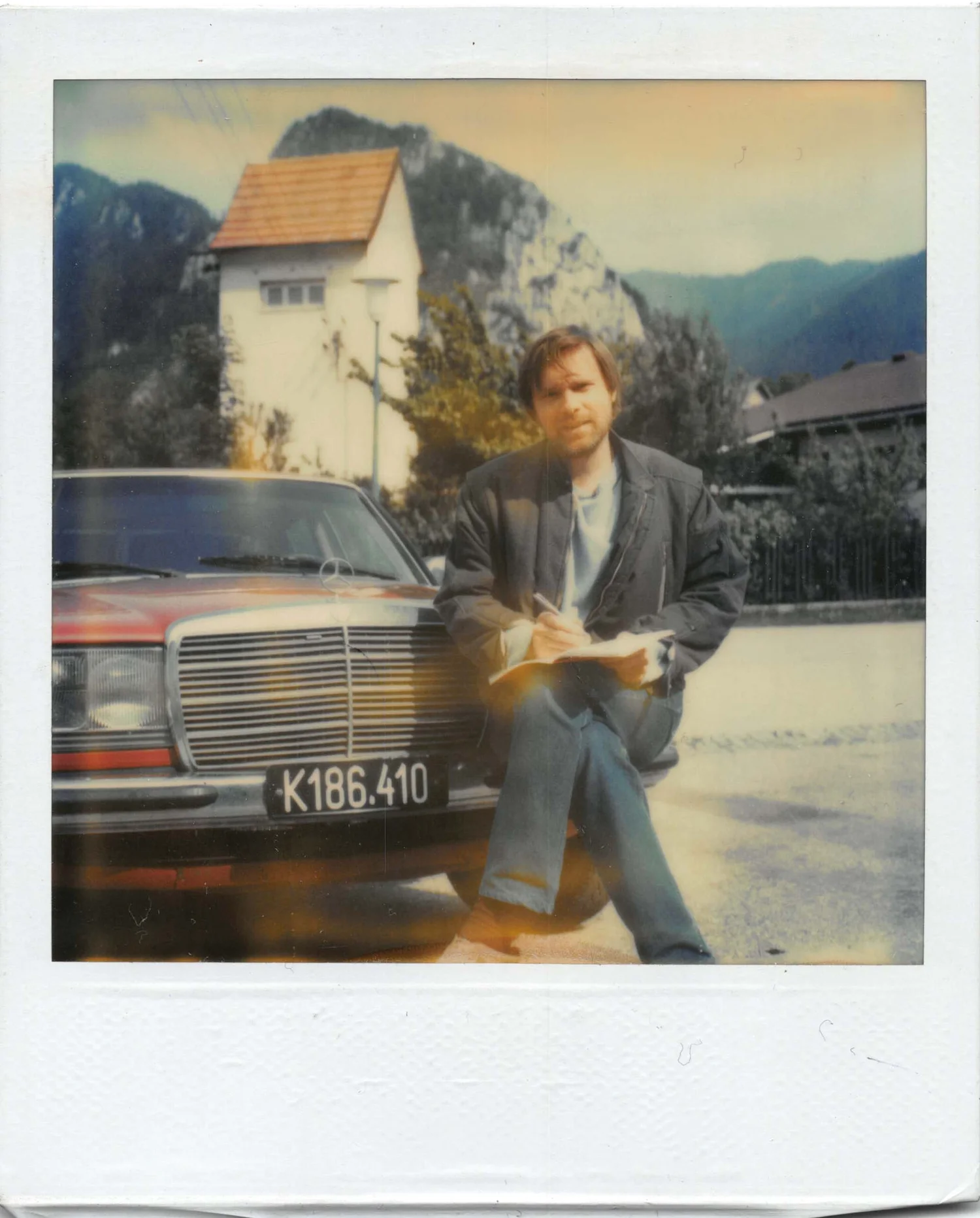
The great escape
In May 1985 a co-star drove him to the Austrian border. The guards were watching a soccer match. A goal was scored, and nobody checked the passports.
- 11
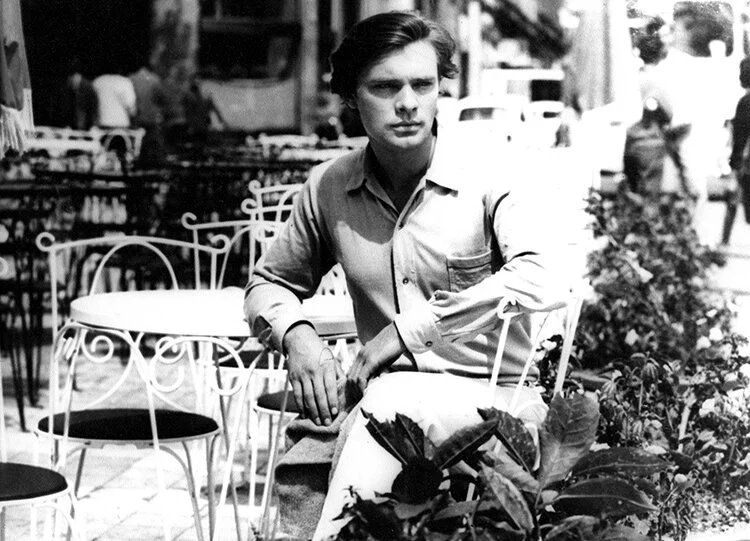
All roads lead to Rome
An American actor and his Italian wife took him into their home. They went with him to the US Embassy, which gave him political asylum.
- 12
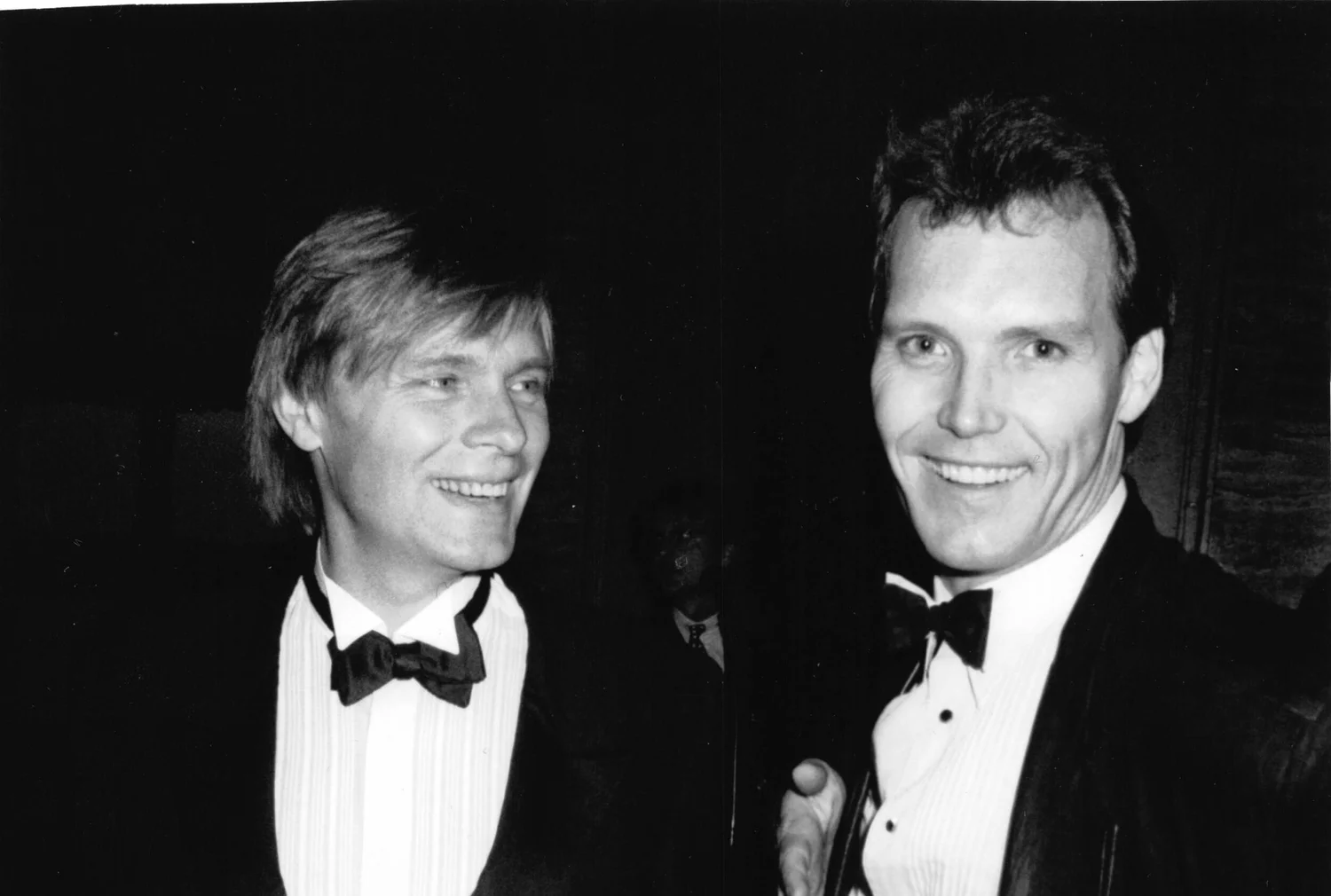
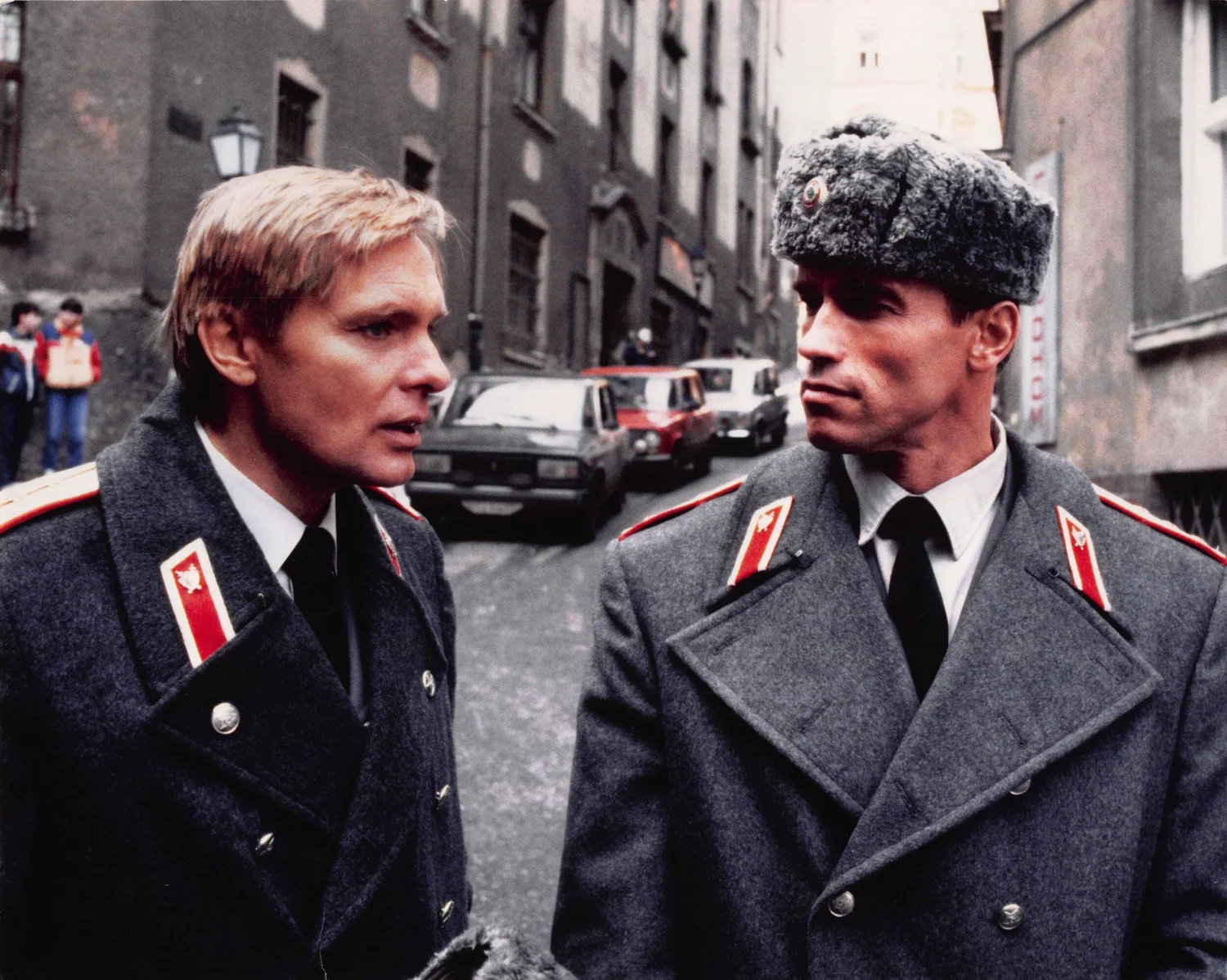
Red Heat
In Hollywood he started again in smaller parts. Red Heat, with Arnold Schwarzenegger, came out in 1988.
- 13
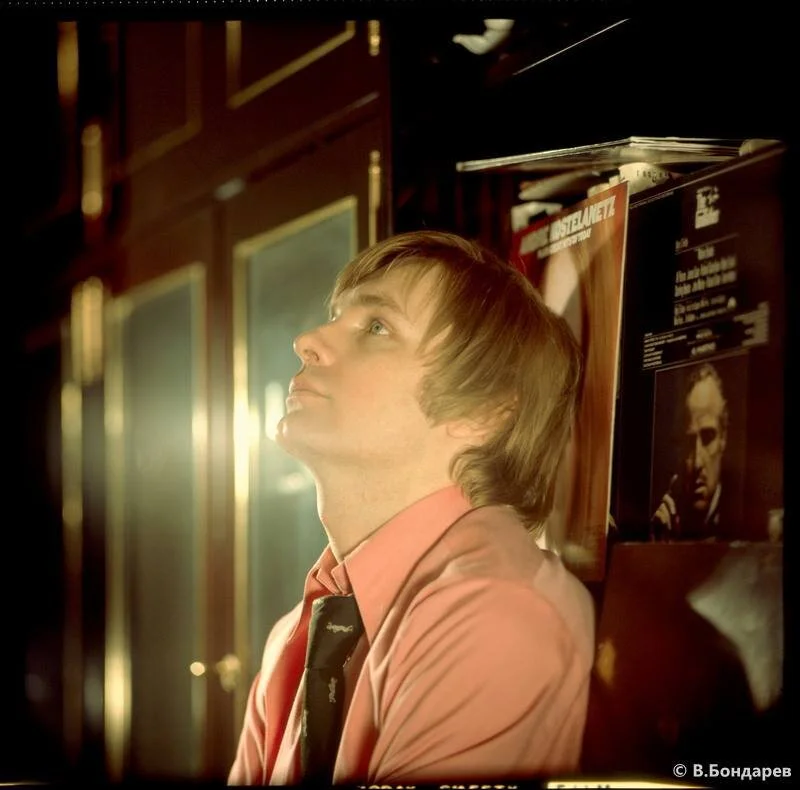
Wild Orchid
He played opposite Mickey Rourke in Wild Orchid. In November 1989 he married Joan Borsten. He spent the rest of his life in California.
- 14
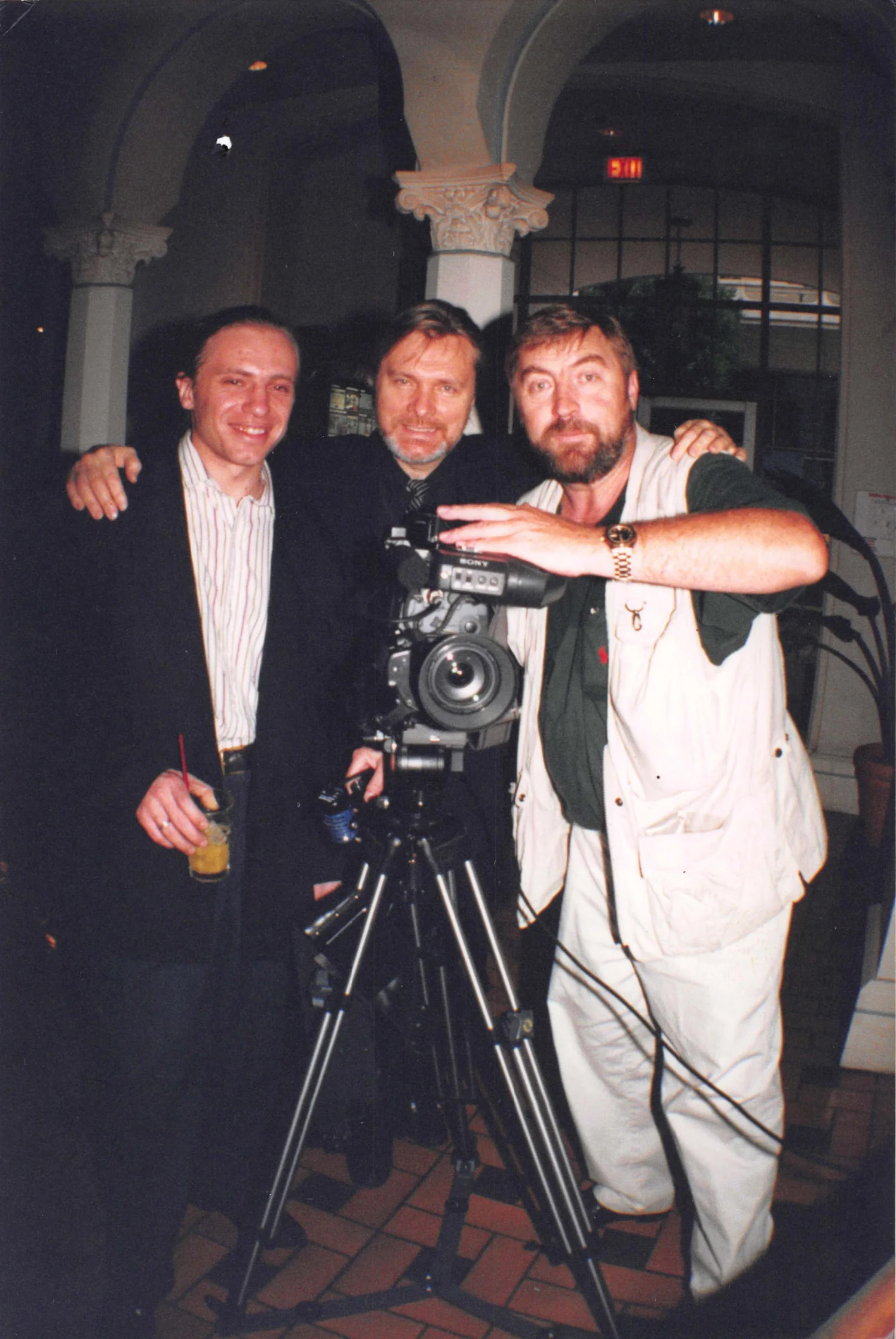
From Russia with love
In 1992 he and Joan bought the rights to a library of Soviet animation. They restored every film, frame by frame.
- 15
The good, the bad and the ugly
A US federal judge, David Trager, ruled that the rights belonged to Oleg and Joan.
- 16
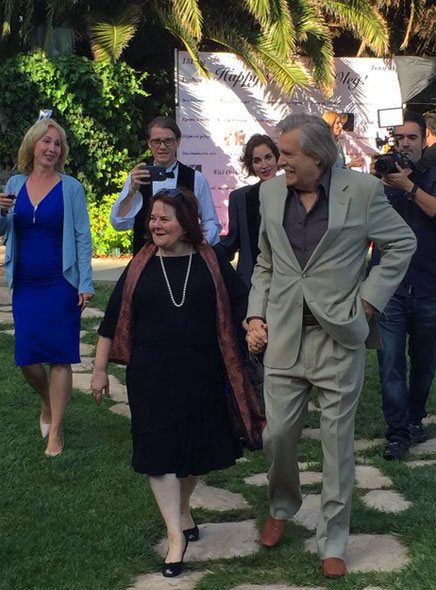
Forgiven
In 2013 Russian television brought him to Moscow for a prime-time celebration. Millions watched, and his fans forgave him.
- 17
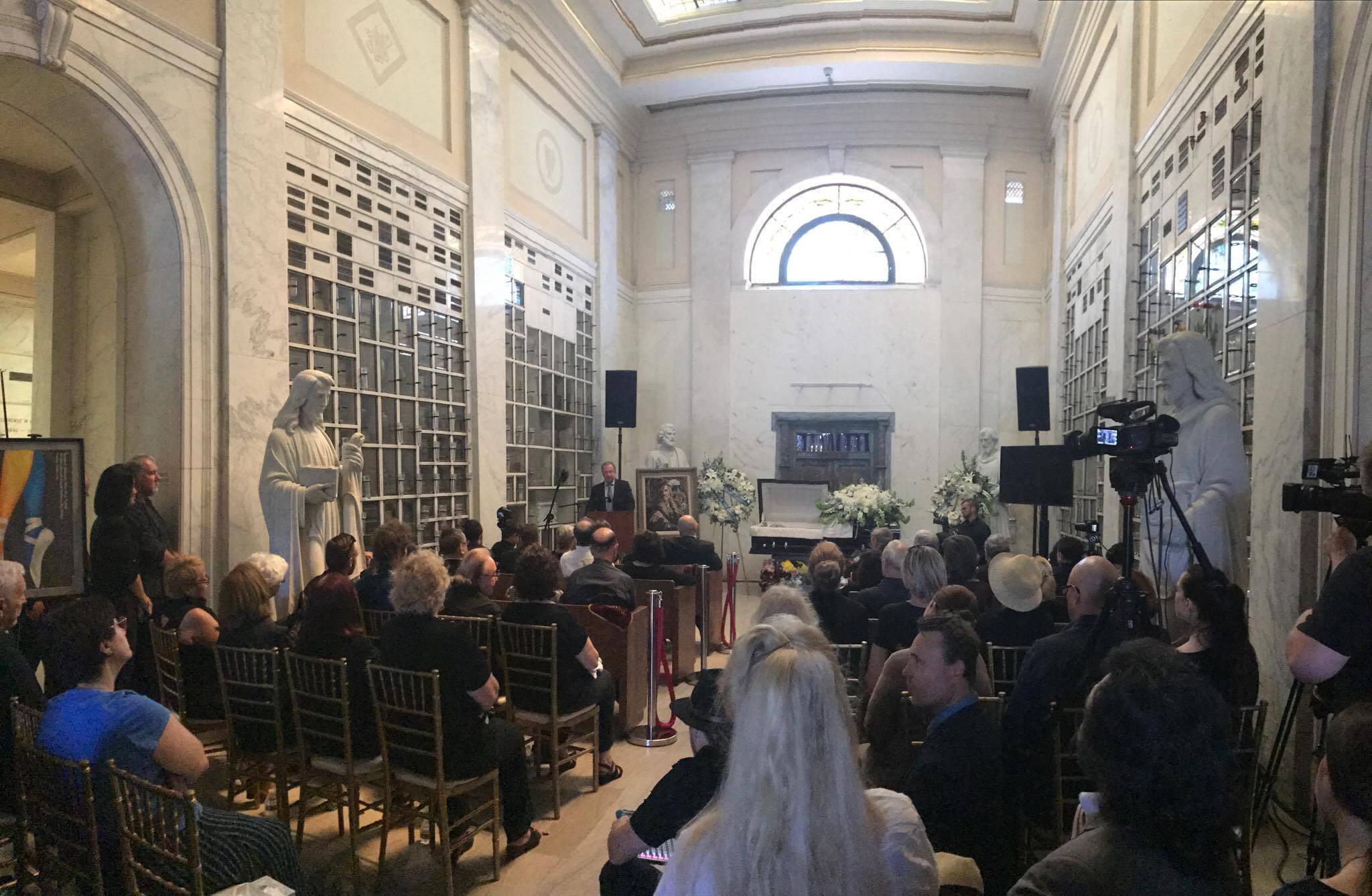
Oleg, farewell
He died in 2017, aged 73, in Westlake Village, California.
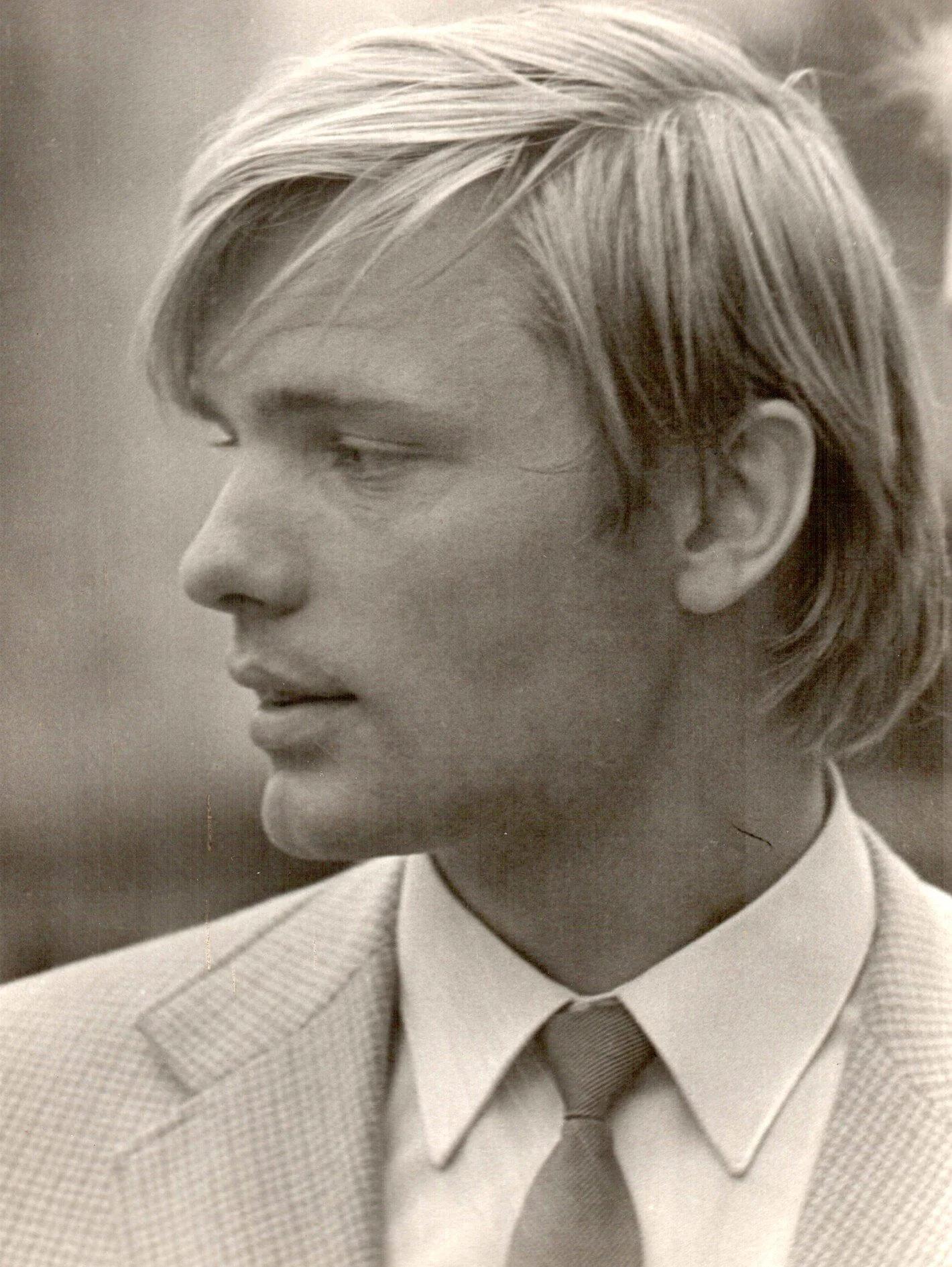
In his words
"I always followed my heart and that is my freedom."
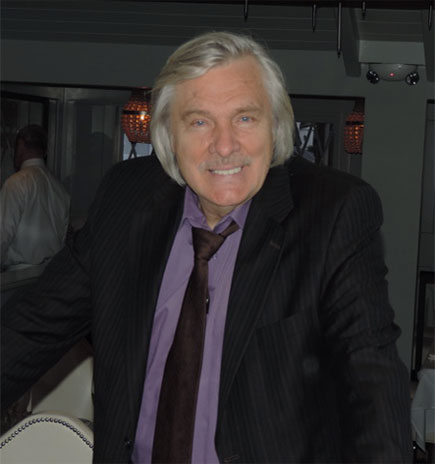
What he left
The films, the cartoons and the book
He saved a library of Soviet animation that nobody else would restore. Bill Murray, Charlton Heston and Shirley MacLaine voiced Mikhail Baryshnikov's Stories from My Childhood in English.
He wrote his story before he died. Joan Borsten Vidov completed it.